Industry Trends
Beyond the Envelope: Why Data Security is the New Standard in Physical Mail
In an era of high-profile digital threats, the physical distribution of confidential data is often a neglected vulnerability. For organizations handling sensitive documents like statutory notices, medical reports, or financial statements, the mailing process is a high-stakes link in the security chain. This guide explores the technical intersection of PDPA (Personal Data Protection Act) compliance and modern lettershopping, detailing the "Zero-Trust" protocols necessary to protect your reputation.
1. Encrypted Data Lifecycles: From Transfer to Purge
Security begins long before the first page is printed. A professional fulfillment partner operates on a "Secure-In, Secure-Out" basis.
- The Transfer: Data should never be sent via standard email. We utilize SFTP (Secure File Transfer Protocol) with AES-256 encryption to ensure data is invisible during transit.
- The Purge: True compliance requires a rigorous data-retention policy. Once a mailing project is lodged, data should be systematically "scrubbed" or overwritten on all local servers to prevent any residual digital footprint. This "Data Sovereignty" ensures that you maintain control over your information at all times.
2. The "Zero-Trust" Printing Environment
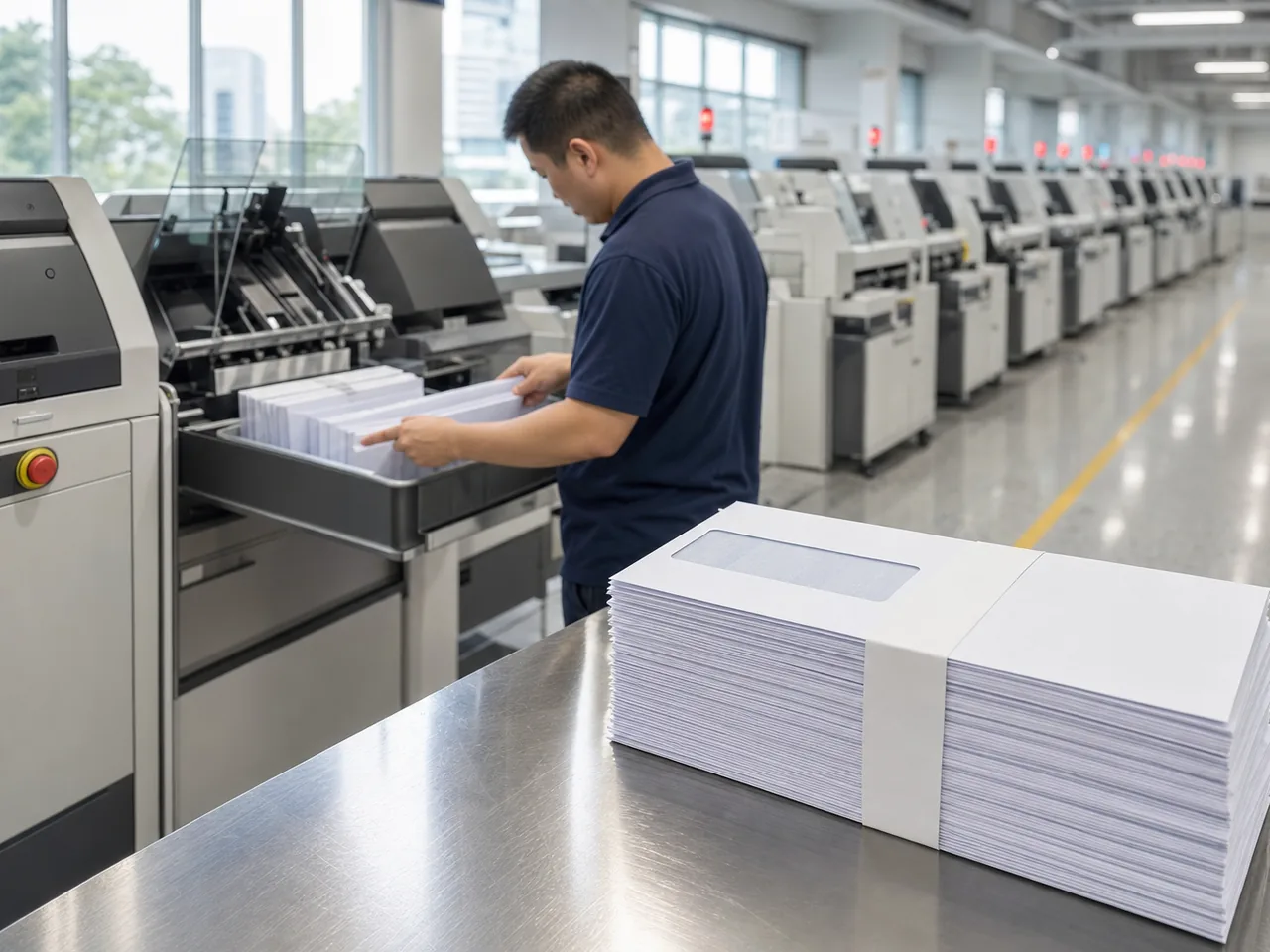
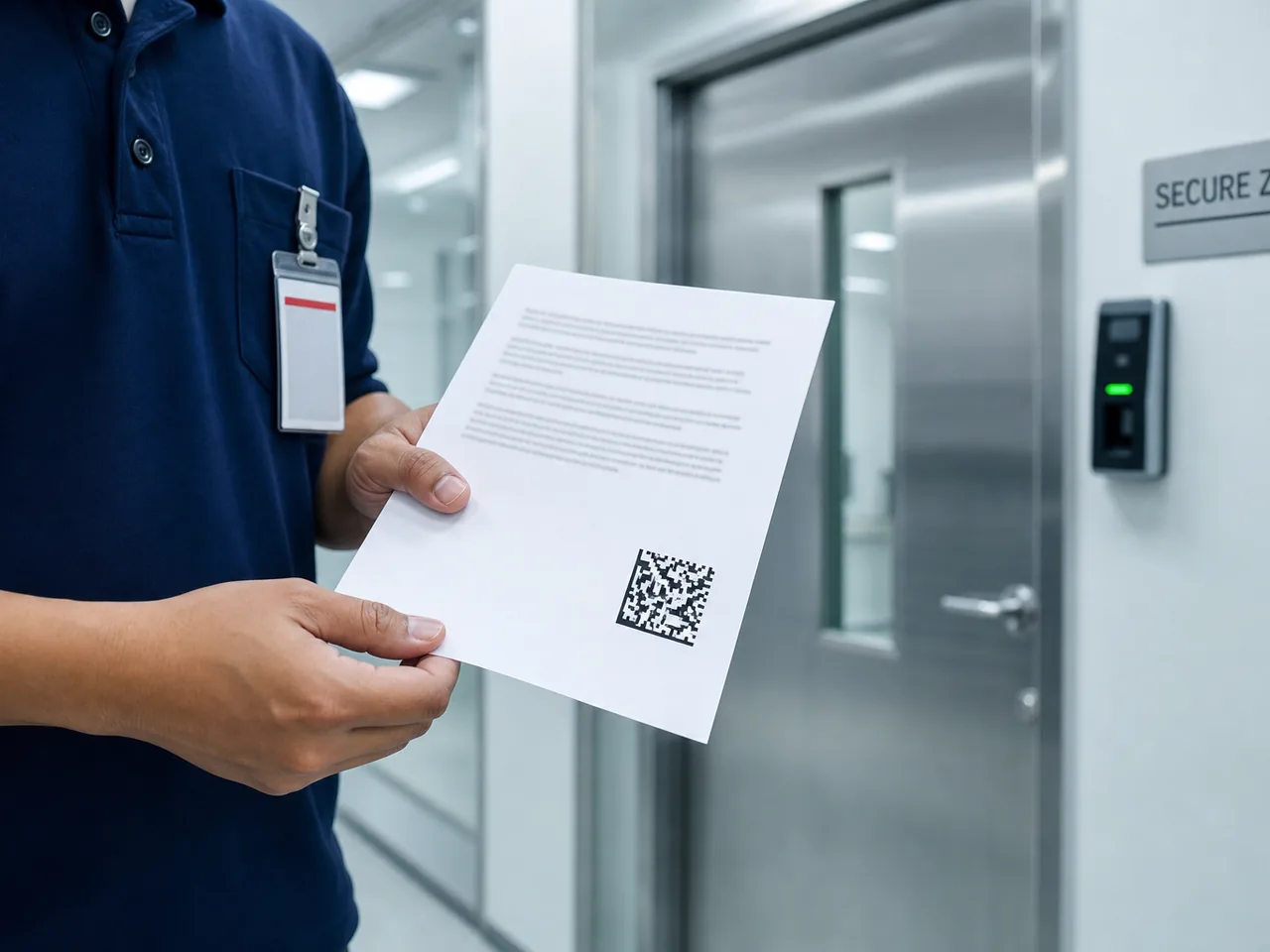
In security terms, "Zero-Trust" means we never assume a process is correct; we verify it at every stage. We employ Barcode-Verified Matching Systems that use high-speed inline scanners to read unique 2D barcodes on every single page.
- Document Integrity: The system ensures that "Document A" is physically inserted into "Envelope A."
- Crossover Prevention: If the scanner detects a mismatch — even by a single millimeter — the machine immediately halts. This prevents "data crossover," a common cause of privacy breaches where one recipient's sensitive information is accidentally mailed to another.
3. Physical Facility Security
A secure workflow is useless if the physical environment is compromised. An educational audit of a mailing facility should look for:
- Access Control: Restricted zones where only authorized personnel can enter the production floor.
- CCTV Surveillance: 24/7 monitoring of all printing and packing stations to ensure a chain of custody.
- Confidential Shredding: Any spoiled or misprinted documents must be destroyed on-site using industrial cross-cut shredders to ensure information cannot be reconstructed.
Your First Line of Defense
Ultimately, your choice of a fulfillment partner isn't just about "mailing letters" — it is a strategic decision regarding risk management. By understanding these technical safeguards, you move beyond basic compliance and build a "Fortress of Fulfillment" that protects your brand from the legal and financial fallout of a privacy breach. In a strictly regulated market like Singapore, your fulfillment partner is your strongest ally in maintaining the absolute confidentiality your clients demand.
Tags